

Introduction
An XML sitemap checker is considered a top-ranking SEO tool, which is a must-have for letting search engines crawl, grasp, and index your web pages accurately. Quite a few websites fail to get good positions not because of the quality of their content but rather because of hidden sitemap problems that keep the crawlers out of the crucial pages.
An XML sitemap file with broken URLs, wrong format, and conflicting indexing can lead Google to miss out on the document’s vital chapters. It is this very circumstance that an XML sitemap checker comes into play. It checks your sitemap, pinpoints issues, and guarantees that your website is ready for search engines.
This manual will inform you about the purposes of an XML sitemap checker, its significance, the right way to use it, and which tools are there for aiding you in validating your sitemap in a quick manner.

What Is an XML Sitemap Checker
engines’ An XML sitemap checker is a utility that helps to inspect the sitemap XML document and make sure it complies with search engine standards. It verifies whether the links are legitimate, within reach, and formatted correctly and could be included in the search engines’ list of those sites that can be searched, like Google.
A sitemap is something like a map for search engines. If the map is not accurate or has missing parts, the process of crawling becomes slow and difficult. An XML sitemap checker helps you keep your map clean and efficient.
Numerous website proprietors create sitemaps but never get them validated. This error could lead to the loss of ranks, traffic, and visibility.
Why Sitemap XML Matters for SEO
Sitemap XML files are a great help for search engines, as they can decipher the website structure. They inform Google about the importance of the pages, the frequency of changes, and the last date updated.
The advantages of sitemap XML are
- Rapid indexing of new pages
- Better crawling for websites with a lot of content
- Increased uncovering of deep pages
- Greater exposure for media content
A valid sitemap is a must for getting even top-quality content indexed. An XML sitemap checker verifies that your sitemap is SEO-friendly rather than being a hindrance.
How an XML Sitemap Checker Works
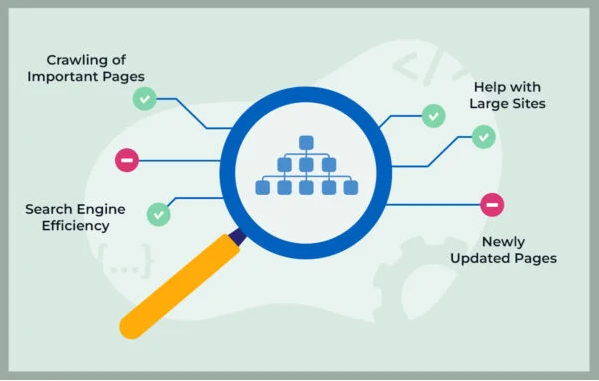
An XML sitemap checker goes through your sitemap URL and carries out a series of checks for validation.
Usually, it evaluates:
- Sitemap structure and style
- HTTP reply status
- Possibility of access to the URLs mentioned
- Repetitive or rerouted URLs
- Fitting to Google’s recommendations
Moreover, sophisticated tools do check the comparison of sitemap URLs with the indexed pages for counting losses, which is why the XML sitemap checker becomes an indispensable diagnostic tool for SEO audits.
Common Sitemap Errors an XML Sitemap Checker Finds
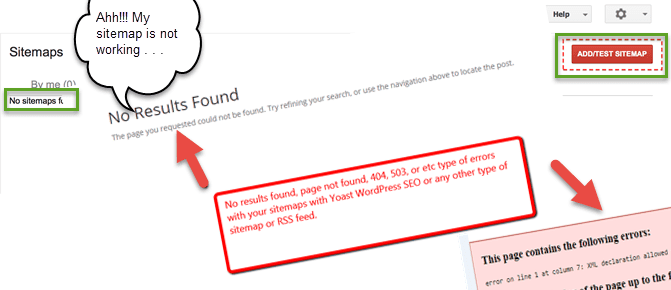
Sitemap issues are present on many websites unknowingly. An XML sitemap checker is a tool that identifies problems such as:
- Invalid URLs
- Pages presenting 404 or 500 errors most of the time are found in the sitemaps.
- Blocked Pages
- URLs that are prohibited by robots.txt or noindex tags ought not to be present in the sitemap XML.
- Redirect Chains
- Only the last destination URLs should be included in the sitemaps.
- Formatting Errors
- Sitemap validation is broken by wrong tags or missing elements.
- Large File Issues
Crawling is not successful due to the presence of sitemaps that surpass size restrictions.Thrashing out these mistakes can straightaway boost indexing efficiency.
Best XML Sitemap Checker Tools
The following are trustworthy instruments that serve as an XML sitemap checker and validator:
XML Sitemap Generator Tools
A generator of XML sitemaps usually comprises incorporated validation features. Such tools create and validate sitemap XML at the same time.
XML Sitemap Keyword Generator
An XML sitemap keyword generator emphasizes on arranging the URIs according to the semantic similarity of the keywords. Although it does not totally replace, it still works alongside an XML sitemap checker as an SEO alignment tool.
Online Sitemap Validation Tools
Online sitemap checker tools are such that they immediately scan sitemap XML files and issue error reports.
These tools are time-effective and avoid manual troubleshooting.
Google Sitemap Validator Explained
The Google Sitemap Validator is integrated within Google Search Console. It is the most reliable method to detect problems in the sitemap.
The main advantages are-
- Feedback directly from Google
- Understanding of the indexing status
- Reports on errors and coverage
- Issues with particular URLs
When you submit your sitemap XML, Google points out the errors and warnings. The use of an XML sitemap checker in tandem with Google’s sitemap validator gives the highest degree of precision.

Using a Sitemap Checker Chrome Extension
A sitemap checker chrome extension can be considered as a quick checking tool during audits.
Below are the benefits:
- Immediate detection of sitemap
- Verification of URL status
- No need for dashboard login for easy access
Although extensions are handy, they ought not to take the place of comprehensive sitemap validation tools. They are most effective when used together as an XML sitemap checker.
XML Sitemap Checker HTML Validation
An XML sitemap checker HTML feature checks the validity of the sitemaps that are either embedded or linked through HTML pages. This feature comes in handy for websites that include the sitemap files in the links of the footer or the HTML sitemap pages.
HTML sitemap validation guarantees that:
- The XML sitemap is linked correctly.
- Crawlers can access it.
- There are no broken sitemap references.
HTML sitemaps and XML sitemaps must collaborate to allow better crawling.

XML Sitemap Generator vs XML Sitemap Checker
Sitemap generators and sitemap checkers are often confused by many people.
XML Sitemap Generator– It generates XML files for the sitemap automatically.
XML Sitemap Checker– It performs the validation, audit, and fixing of the XML sitemap files that already exist.
It is a must to use both tools always. Make your sitemap first and then check it using an XML sitemap checker to be certain of its compliance.
How to Fix Sitemap Errors After Validation
Running an XML sitemap checker and fixing the errors is a very important step.
The whole process is as follows:
- Get rid of URLs that are noindex or blocked
- Have the redirected URLs turn into the final URLs
- Correct server issues
- Divide big sitemaps
- Change last modified dates
Revalidation is a must after every change. Continuous monitoring keeps recurring problems at bay.

Best Practices for Sitemap XML Optimization
Using a healthy sitemap XML, you can do the following: –
- Only Canonical URLs should be included
- Sitemap should be updated with the latest changes regularly
- Sitemap should be submitted to Google Search Console
- Use gzip compression for sitemaps that are large in size
- Eliminate the use of expired URLs
Frequent verification by an XML sitemap checker increases the chances of SEO stability
FAQ’S
What is the best XML sitemap checker for SEO?
The best XML sitemap checker is determined by the size of your website; however, the combination of Google sitemap validator and online tools provides excellent validation.
How often should I check my sitemap XML?
Use an XML sitemap checker after significant updates, migrations, or every monthly audit.
Can sitemap errors hurt rankings?
Indeed, sitemap errors may slow indexing down and thus, cause a reduction in crawl efficiency.
Is an XML sitemap generator enough?
Not really. It is necessary to validate the sitemap with an XML sitemap checker after it has been generated.
Do small websites need sitemap validation?
Definitely. Clean and validated sitemap XML files will always be an advantage even for small sites.
Final Thoughts
If you take SEO performance seriously, an XML sitemap checker is a must. It helps search engines to crawl, comprehend, and rate your site quickly. Regardless of whether you employ a sitemap validator chrome extension, Google sitemap checker, or sophisticated XML sitemap tools, validation needs to be incorporated in every SEO process.
Immaculate sitemaps result in improved indexing. Improved indexing leads to top rankings. And top rankings begin with the regular use of the best XML sitemap checker.